
Your Baby Just Learnt Something Amazing.
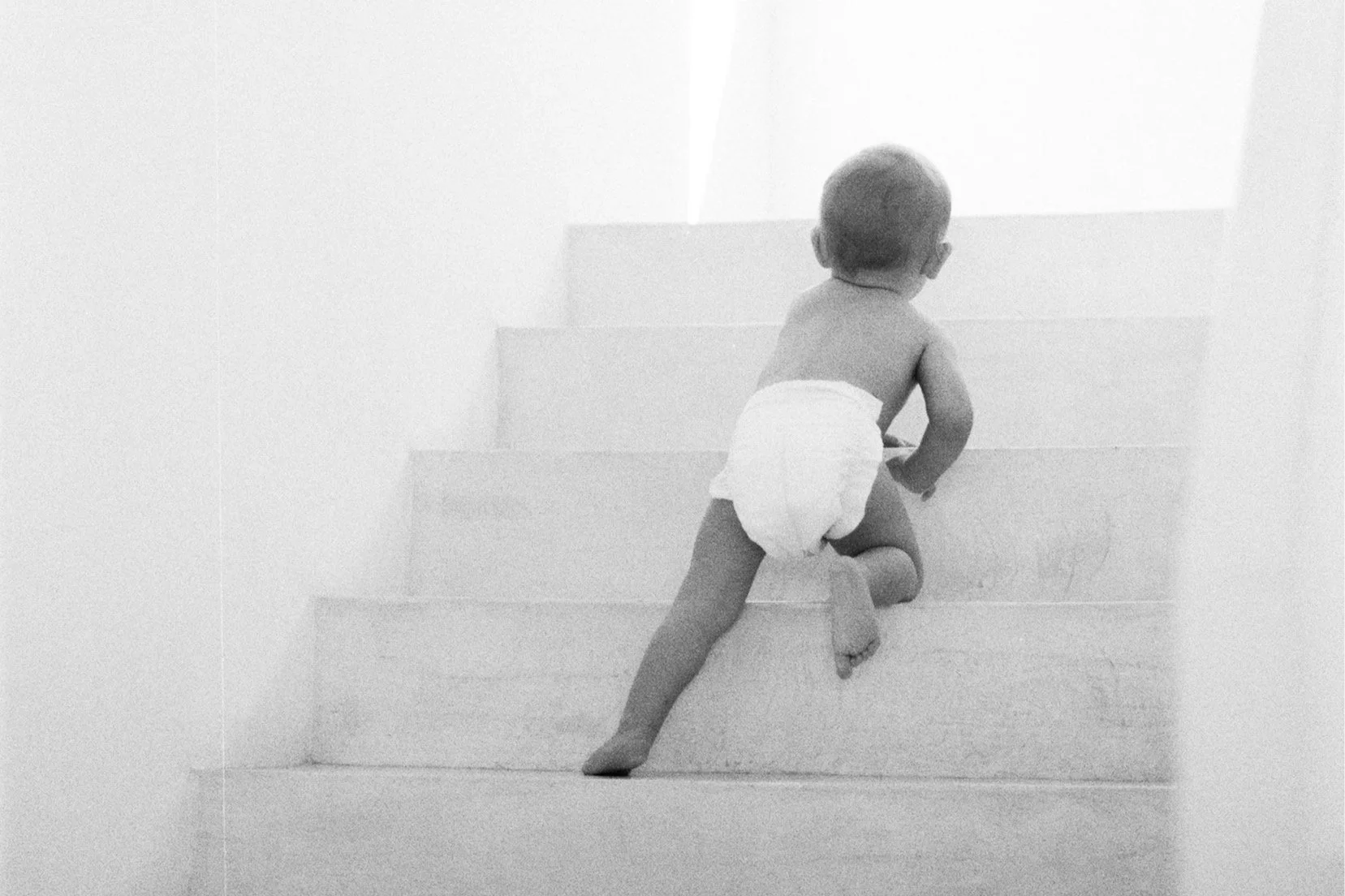
That's Why Nobody Slept Last Night.
If you've ever found yourself Googling "is it normal for my baby to suddenly hate sleep" at 3am, welcome. You're in the right place.
The honest answer to that question is almost always yes and the reason usually comes down to what's happening developmentally. Because here's the thing nobody tells you at your six-week check: every time your baby or toddler hits a big developmental milestone, their sleep takes a hit too.
Not because you're doing anything wrong. Because their brain is absolutely going off.
Let me walk you through what's happening at each stage, what to look for, what it means for sleep, and how to survive it with your sanity (mostly) intact.
Newborn to 3 Months: The Fourth Trimester
Also known as: what did I sign up for
Your baby has just left the only home they've ever known and landed in a world that is loud, bright, and completely overwhelming. Everything is new. Everything is a lot. And their nervous system is working overtime just to process it all.
In between the chaos, watch for those first magical moments. A smile that's definitely meant for you (not wind), their head wobbling up during tummy time, tiny eyes tracking your face across the room. These are huge. Celebrate every single one.
What this means for sleep: Newborns sleep a lot, but rarely for long. Their sleep cycles are short and their days and nights are often confused. Your job right now isn't to "fix" sleep it's to help their little body start to tell the difference between day and night. Keep nights dark, quiet, and boring. Keep daytime naps a little lighter and more social. And lean hard into skin-to-skin contact, which regulates everything from heart rate to temperature to cortisol.
This stage is a phase. A hard one, but a phase. Ask for help and accept it when it's offered.
3 to 6 Months: Discovering the World
Also known as: oh, so this is the fun bit
This is the stage where your baby genuinely starts to become a little person in front of your eyes. Rolling, reaching, grabbing everything they can get their hands on, laughing that completely unhinged belly laugh that makes all the hard nights feel worth it. They're also starting to recognise their name, which means they're starting to recognise you and that changes everything.
What this means for sleep: Three to six months is when sleep can really start to consolidate if the conditions are right. This is a great time to introduce a consistent pre-sleep routine and start gently stretching those wake windows. It's also the stage where self-settling becomes more possible, because their brain is finally developed enough to start learning it. Don't rush it, but don't be afraid of it either.
7 to 9 Months: On the Move
Also known as: please stop pulling yourself up in the cot at midnight
Crawling. Scooting. Pulling up to stand. Your baby is suddenly mobile and they are absolutely thrilled about it. They're also saying something that sounds suspiciously like mama or dada and making your heart do things you weren't prepared for.
What this means for sleep: Big physical milestones almost always come with sleep disruption. Their brain is so busy consolidating new skills that sleep takes a back seat. Sometimes literally, with babies practising their new moves in the cot at 2am instead of, you know, sleeping. Stay consistent with your routines. This is not the time to introduce new habits you'll regret later. Ride it out, keep the boundaries kind but firm, and know that it passes.
10 to 13 Months: Becoming a Little Person
Also known as: separation anxiety has entered the chat
First steps or the lead-up to them. Waving bye-bye. Imitating everything you do with an accuracy that is either adorable or alarming depending on what you've been doing. And separation anxiety, which tends to peak right around now and can make bedtime feel like you're abandoning them on a desert island rather than putting them to bed in a warm, safe room.
What this means for sleep: Separation anxiety is real, it's developmentally normal, and it is genuinely hard. Peek-a-boo games during the day actually help, they teach your baby that when you disappear, you always come back. A transitional object like a favourite soft toy or blanket can also provide comfort when you're not there. Reassure them at bedtime, but try not to create new sleep associations in the process that you'll be undoing in six months.
14 to 18 Months: The World Is Their Playground
Also known as: toddlerhood has officially begun, good luck
Walking. Running. Climbing things they absolutely should not be climbing. Using actual words and pointing at everything with great authority. Your toddler has opinions now. Many of them. About everything. Including, unfortunately, sleep.
What this means for sleep: All that physical energy needs somewhere to go during the day, and plenty of active outdoor play genuinely does help with sleep at night. But watch the timing, overstimulation too close to bedtime is a recipe for a wired, overtired toddler who can't switch off. If you don't have a consistent wind-down routine yet, now is the time. It will pay you back many times over.
19 to 24 Months: Little Explorers
Also known as: they have feelings and they are not afraid to use them
Kicking balls. Sorting shapes. Following two-step instructions (when they feel like it). Starting to play alongside other tamariki and developing a social life that is honestly more active than yours. Your toddler is also experiencing the full range of human emotions, often several of them within the same minute, and learning how to manage big feelings is exhausting work for a small person.
What this means for sleep: Structure is your best friend at this age. Toddlers push boundaries because they can, but they actually feel safest when those boundaries hold. Be warm, be consistent, and don't negotiate bedtime. They're testing the limits because they need to know the limits are there.
2 to 3 Years: The Why Phase
Also known as: because I said so, that's why
Short sentences. Make-believe. Helping with simple tasks (sometimes). And questions. So. Many. Questions. Your child's brain is making connections at a rate that won't happen again in their lifetime, and they are absolutely drunk on it.
What this means for sleep: An active mind needs a clear signal that it's time to power down. Bedtime is not the moment to field forty-seven questions about why the sky is blue. It's the moment for quiet, predictable, calming rituals that tell their brain the day is done. Reading stories together is genuinely one of the best tools you have. Offer small choices (which pyjamas, which book) so they feel some control over bedtime. Then hold the line lovingly but firmly when they try to push it further.
Every Child Is Different. Every Stage Is Temporary.
Developmental milestones are guides, not rules. Your baby will hit them in their own time, in their own order, and sleep will wobble at every single one of them. That's not a sign that something is wrong, it's a sign that something is beautifully, busily right.
If you're in the thick of a sleep regression and you're not sure what's driving it or how to handle it, that's exactly what I'm here for. I look at the whole picture: age, developmental stage, temperament, your family's situation, and help you find a way through that works for everyone.
You don't have to figure this out at 3am on Google.
👉 Get in touch here I'd love to help.
I’ve got you,
Clare
Your baby sleep expert